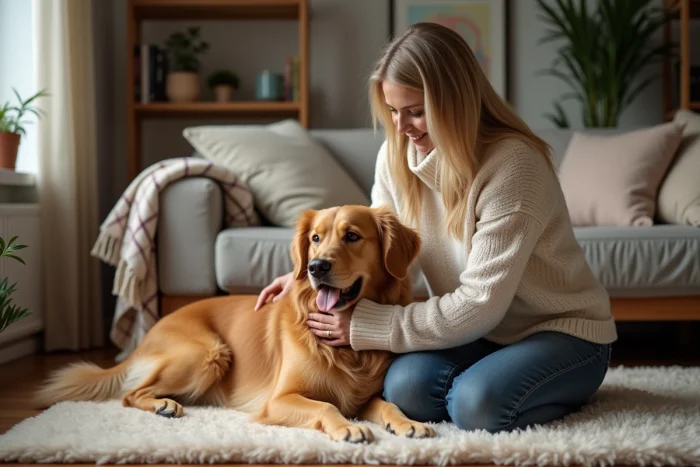
One in two pets does not receive an annual veterinary check-up, despite official recommendations. Behavioral issues are the second leading cause of abandonment in France, just after financial difficulties.
Veterinarians are sounding the alarm: too many preventable diseases stem from poor hygiene, inadequate nutrition, or lack of stimulation. Yet, a few daily gestures are enough to transform the lives of our four-legged companions.
Understanding what contributes to a pet’s well-being on a daily basis
The needs of a pet are never limited to just a full bowl. Its species, breed, age, and history all matter. A dog or a cat requires much more than just shelter. Veterinarians emphasize that providing fresh water and a balanced diet tailored to each profile is the foundation of a healthy life.
But well-being takes on other forms. A stable routine, where interactions are never lacking, protects against many behavioral issues. Dogs cannot envision happiness without real, varied walks every day. Cats, on the other hand, thrive in a reimagined territory, rich in hiding spots and observation points.
For those looking to better understand or take action, the website lamaisondesanimaux.net is full of resources on training, disease prevention, and stress management in domestic animals. Observing even the slightest change in behavior, a suddenly distant cat, a dog that neglects its bowl, often reveals a deeper discomfort.
To help structure a pet’s daily life, here are the main points of vigilance:
- Health: schedule regular visits, keep vaccinations up to date, administer the appropriate dewormer.
- Training: respect each animal’s own pace, focus on gradual learning.
- Environment: prioritize a clean, stimulating, and secure space.
Over the days, attention to these basic care practices shapes a solid relationship. Listening, respecting essential needs, and attentive gestures nurture a calm and lasting coexistence.
What practical advice to adopt for a smooth return and optimal health?
The return to routine disrupts familiar markers, even for pets. Whether it’s a dog or a cat, every change in the family rhythm is felt. To limit the onset of stress or unusual behaviors, it’s better to anticipate: gradually adjust meal and walk times, without ever rushing your companion.
The environment provides real support. Set up a quiet corner, with a cozy bed, where your companion can retreat. Adding interactive toys or a kibble dispenser keeps the mind occupied, especially during absences. Cats benefit from perches and varied observation points; access to the outdoors, if possible, remains a real plus.
The veterinary check-up is not limited to vaccinations. An annual appointment allows for early detection of potential health issues. The practitioner’s advice, tailored to the species and age, also includes nutrition, weight management, and prevention of tartar or parasites. In urban or rural settings, animal services offer solutions that adapt to each situation.
To better navigate this transition period, keep these practical practices in mind:
- Readjust the food portion based on actual activity after the holidays.
- Dedicate time each day for play or cuddles, even briefly, to maintain the bond.
- Ensure the cleanliness of bowls and litter: this detail influences the animal’s serenity.
Caring for your pet does not mean treating it like a miniature human. Paying attention to its body language and listening to its behaviors makes all the difference. A successful return is reflected in the calm gaze of the one who shares your daily life.
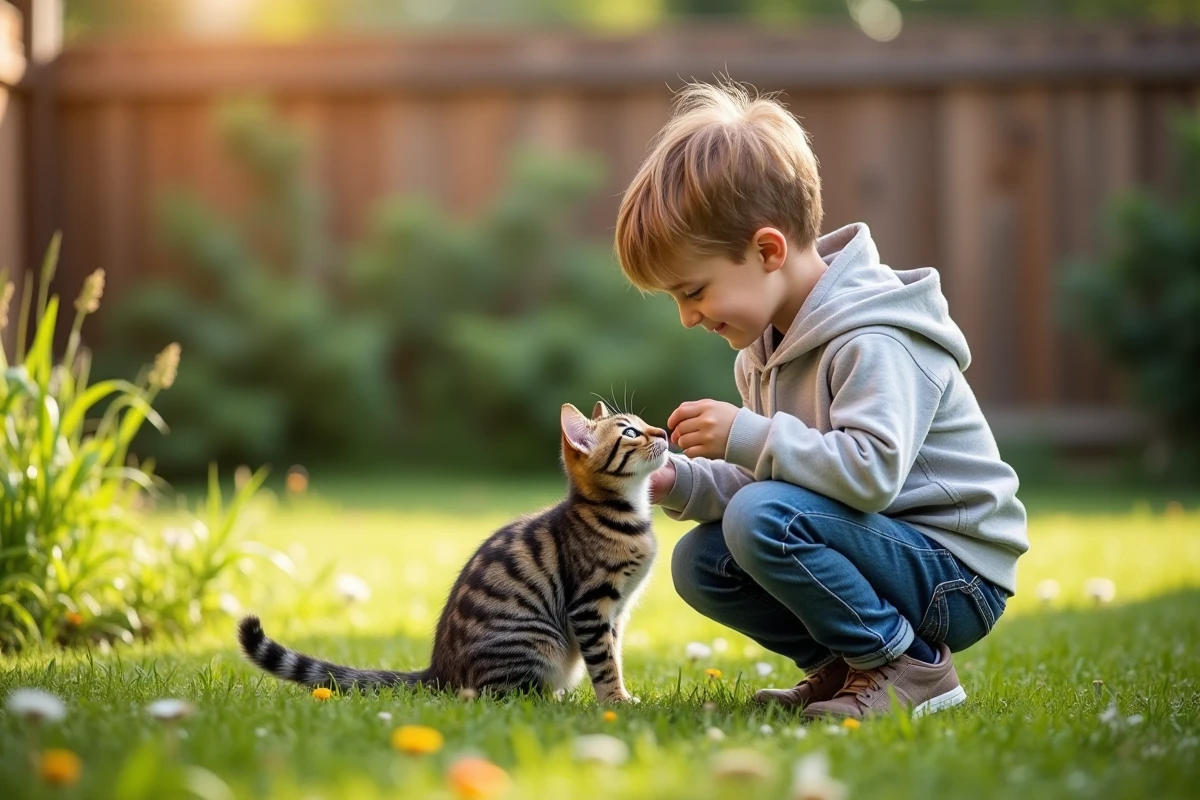
When and why consult an animal behavior specialist?
A sudden change in a pet’s reactions should never be taken lightly. Unexplained aggression, developing anxiety, repeated barking, inappropriate marking in dogs and cats: every sign deserves to be taken seriously. Too often, the family circle trivializes these disturbances. However, consulting a behaviorist or a specialized veterinarian can change everything for the health and peace of the household.
When traditional solutions fail or the situation worsens, the intervention of an expert becomes necessary. This professional observes the environment, routine, and training methods to identify the root of the problem. They differentiate between a temporary issue and a symptom that reveals an underlying pathology. Their analysis complements the work of the treating veterinarian, especially after a recent adoption or a major upheaval (moving, birth, separation…).
To illustrate cases where the help of a specialist is relevant, here are some typical situations:
- In dogs: attachment difficulties, destruction, noise phobias.
- In cats: elimination outside the litter box, repeated scratching, marked isolation.
The specialist’s support is not limited to a diagnosis. They offer personalized adjustments: rearranging the space, enriching the environment, and new ways to interact. They guide the owner over time, with precise follow-up. Caring for the emotional balance of your companion is as essential as providing appropriate nutrition or regular veterinary care. Focusing on prevention and vigilance gives you the best chance of enjoying a calm and lasting relationship with your pet.